
Ever feel like you’re constantly fighting yourself to get things done? You set goals, but motivation fades. You know what to do, yet something inside rebels. Welcome to the human condition. But there’s a smarter way—a framework that doesn’t demand more grit, but rather the right rules.
That framework is self discipline niyama. It’s an ancient concept wrapped in modern practicality. The word niyama comes from the Sanskrit meaning “rule” or “observance.” Combined with self-discipline, it becomes a powerful mindset: you consciously choose the rules that guide your daily actions, instead of leaving them to chance or fleeting willpower.
In this deep dive, you’ll learn exactly what self discipline niyama is, how the five classic niyamas apply to building focus and habits, and how to use them to cultivate inner steadiness that lasts. We’ll also explore real-world strategies, recommended books, and a simple action plan to get started today.
Table of Contents
What is Self Discipline Niyama?
Think of self discipline niyama as your personal operating system for life. Most people try to “be disciplined” by sheer force—white-knuckling through cravings and relying on willpower. That works for a while, but it’s exhausting. Niyama offers something different: a set of internal guidelines that, when followed consistently, make discipline feel natural.
The concept originates from Patanjali’s Yoga Sutras, where niyama is the second limb of yoga, following the yamas (ethical rules toward others). The five niyamas are personal observances designed to purify your mind and body, leading to greater focus, peace, and self-mastery. When you apply them to modern self-discipline, you get a sustainable system for:
- Building rock-solid habits
- Staying focused amid distractions
- Developing emotional resilience
- Aligning your daily actions with your deepest values
Self discipline niyama is not about rigid control. It’s about choosing the right rules so you don’t have to decide every time. As author James Clear puts it, “You do not rise to the level of your goals. You fall to the level of your systems.” The niyamas are that system.
The Five Pillars of Self Discipline Niyama
Let’s break down each of the five niyamas and how they directly support self-discipline. Each one is a “right rule” that, when practiced, strengthens your inner steadiness.
1. Saucha: Cleanliness and Clarity
Saucha means purity or cleanliness—of body, mind, and environment. In the context of self-discipline, this translates to removing the clutter that drains your focus.
How it builds discipline:
- Declutter your workspace. Research shows physical clutter reduces attention span.
- Clean up your digital diet: unfollow accounts that trigger envy, mute notifications.
- Practice mental hygiene: journaling, meditation, or simply avoiding negative self-talk.
When your environment and mind are clean, it’s easier to start the right action. Less friction, less resistance.
Action step: Spend 10 minutes each evening tidying your desk and clearing your phone’s home screen of distracting apps.
2. Santosha: Contentment and Gratitude
Santosha means contentment—not complacency, but an inner peace that doesn’t depend on external results. This niyama is the antidote to the “never enough” mindset that sabotages discipline.
How it builds discipline:
- When you’re grateful for what you have, you don’t desperately chase shortcuts.
- Contentment reduces the emotional rollercoaster that leads to quitting.
- It allows you to enjoy the process, not just the outcome.
Contrary to popular belief, discipline doesn’t require suffering. It requires patience and acceptance of where you are as you move forward.
Action step: Each morning, write down three things you’re grateful for. It rewires your brain to see progress instead of lack.
3. Tapas: Heat, Austerity, and Consistent Effort
Tapas literally means “heat.” It’s the niyama of self-discipline—the willingness to endure discomfort for growth. This is the fire that burns away excuses.
How it builds discipline:
- Tapas is about doing what’s necessary even when you don’t feel like it.
- It’s the 5 a.m. alarm, the extra rep, the cold shower.
- Over time, tapas builds mental toughness and resilience.
But tapas isn’t about punishment. It’s about embracing challenge as a growth catalyst. As stoic philosopher Ryan Holiday writes in Discipline Is Destiny, “The discipline to endure discomfort is the discipline to be free.”
Action step: Each day, do one hard thing you would normally avoid. Start small: make your bed without delay, or take a cold 30-second shower.
4. Svadhyaya: Self-Study and Reflection
Svadhyaya means self-study—knowing yourself, your patterns, your triggers. Without self-awareness, discipline is blind.
How it builds discipline:
- Track your habits. What time of day do you have the most energy?
- Observe your excuses without judgment. Where do you resist?
- Read books and philosophies that challenge your thinking.
Svadhyaya turns discipline from a punishment into a learning experiment. You begin to see that willpower isn’t a fixed trait; it’s a skill that improves with understanding.
Action step: Keep a journal. Every evening, note one win and one struggle from the day. Over a week, you’ll see patterns emerge.
5. Ishvarapranidhana: Surrender and Letting Go
This final niyama means surrender to a higher power or, in secular terms, to the process itself. It’s letting go of ego attachment to outcomes.
How it builds discipline:
- When you’re attached to results, failure feels devastating. That emotional hit derails discipline.
- Surrender means you give your best effort and accept what comes. This frees you from fear.
- It allows you to stay steady when things don’t go as planned.
Self-discipline doesn’t mean controlling everything. It means doing your part and trusting the rest. As the book The Four Agreements teaches, “Always do your best”—and then let go.
Action step: Before a difficult task, say to yourself, “I will give this my full attention, and I release the need for a specific outcome.” Then start.
How to Apply Self Discipline Niyama in Daily Life
You now have the five rules. But theory without practice is just philosophy. Here’s a practical step-by-step guide to integrate self discipline niyama into your routine.
Step 1: Audit Your Current Rules
What rules are you unconsciously following? Write them down. Do you scroll social media first thing in the morning? Do you snack when stressed? These are your current niyamas. Decide which ones serve you and which don’t.
Step 2: Pick One Niyama to Focus On
Don’t try to change everything at once. Choose the niyama that feels most relevant right now. For example, if your life feels chaotic, start with Saucha (cleanliness). If you struggle with consistency, focus on Tapas (discipline).
Step 3: Create a Tiny Rule
Transform the niyama into a tiny, non-negotiable rule. For example:
- Saucha rule: “I will make my bed every morning before leaving the bedroom.”
- Santosha rule: “I will say one thing I’m grateful for before each meal.”
- Tapas rule: “I will do five minutes of exercise immediately after waking up.”
Step 4: Use Habit Stacking
Attach your new rule to an existing habit. After you brush your teeth (existing), meditate for two minutes (new). This makes the rule stick.
Step 5: Review Weekly
Each Sunday, reflect on how your chosen niyama is shaping your discipline. Adjust if needed. This is Svadhyaya in action.
Real-Life Example: Sarah’s Self Discipline Niyama
Sarah is a freelance writer who constantly felt scattered. She couldn’t stay focused on projects and often procrastinated. She decided to apply the five niyamas.
- Saucha: She cleared her desk of clutter and used a website blocker during work hours.
- Santosha: She started a gratitude journal, focusing on what she had already accomplished.
- Tapas: She committed to writing 300 words daily, no matter what.
- Svadhyaya: She tracked her energy levels and discovered she writes best at 6 a.m.
- Ishvarapranidhana: She stopped obsessing over client approval and focused on doing her best.
Within a month, her productivity doubled. More importantly, she felt calm and steady. The rules weren’t chains; they were guardrails.
Resources to Deepen Your Practice
You don’t have to figure it all out alone. Several excellent books can accelerate your understanding of self discipline niyama. Here are some hand-picked resources that align with the five principles.

Atomic Habits by James Clear – The go-to guide for building tiny habits that compound into massive results. Perfect for the Tapas and Svadhyaya aspects.
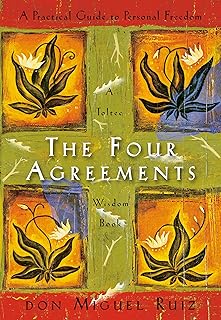
The Four Agreements by Don Miguel Ruiz – Teaches internal rules that lead to personal freedom. Ideal for Ishvarapranidhana and Santosha.

Discipline Equals Freedom by Jocko Willink – A field manual for mental and physical toughness. Directly embodies Tapas.
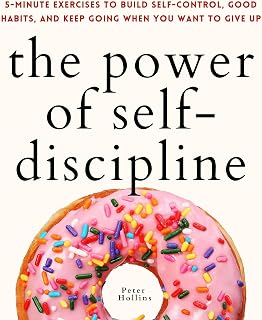
The Power of Self-Discipline – 5-minute exercises for building self-control. Great for daily Tapas practice.

Mindful Self-Discipline – Combines mindfulness with discipline. Excellent for Svadhyaya and Santosha.

Digital Self-Discipline – Specifically tackles digital distractions and dopamine addiction. Directly supports Saucha (mental cleanliness).
Comparison Table: Best Resources for Self Discipline Niyama
| Product | Focus Area | Price | Rating | Image | Buy at Amazon |
|---|---|---|---|---|---|
| Atomic Habits | Habit systems, Tapas, Svadhyaya | $0.00 (audible) | 4.8 | |
Buy Now |
| The Four Agreements | Personal rules, Ishvarapranidhana | $7.05 | 4.7 | |
Buy Now |
| Discipline Equals Freedom | Tapas, Mental Toughness | $12.93 | 4.7 | |
Buy Now |
| Digital Self-Discipline | Saucha, Digital Clarity | $12.99 | 4.8 | |
Buy Now |
Frequently Asked Questions About Self Discipline Niyama
Q: Is self discipline niyama a religious practice?
A: No. While it has roots in yoga philosophy, the principles are universal and can be applied secularly. You don’t need to be spiritual to benefit from cleanliness, contentment, effort, self-study, and surrender.
Q: How is it different from regular self-discipline?
A: Standard self-discipline often focuses on willpower and force. Self discipline niyama is a system of internal rules that make discipline easier and more sustainable. It’s about choosing the right constraints rather than fighting yourself.
Q: Can I practice only one niyama?
A: Absolutely. In fact, focusing on one at a time is more effective than trying all five at once. Start with the one that resonates most with your current challenges.
Q: How long does it take to see results?
A: That depends on your consistency. Many people notice a shift in focus and inner calm within a week of applying one niyama. Lasting change usually takes a few months of dedicated practice.
Q: What if I fail to follow my rules?
A: Failure is part of the process. Svadhyaya (self-study) teaches you to observe without judgment. Instead of guilt, ask: “What can I learn?” Adjust your rule and try again.
Final Thoughts: Your Right Rules Begin Today
Self discipline niyama isn’t about becoming a robot. It’s about becoming the person you want to be—deliberately, kindly, and steadily. The five niyamas offer a time-tested blueprint for focus, habits, and inner peace.
You don’t need a perfect plan. You just need to pick one rule and honor it for the next week. That single act will ripple through your entire life.
So which niyama calls to you right now? Saucha’s clarity? Santosha’s calm? Tapas’s fire? Svadhyaya’s curiosity? Or Ishvarapranidhana’s surrender?
Choose one. Start today. And watch how the right rules transform not just what you do, but who you are.